
Our style of play
Game style is defined as the overall behavior of the entire team during a match, aimed at achieving objectives in the attack phase, defense phase, and transitions.
This behavior is reflected in characteristic patterns throughout the team's play.

Possession-Oriented Soccer Development at FCGB
Our style is built around confidence, awareness, decision-making, technical development, and team play.
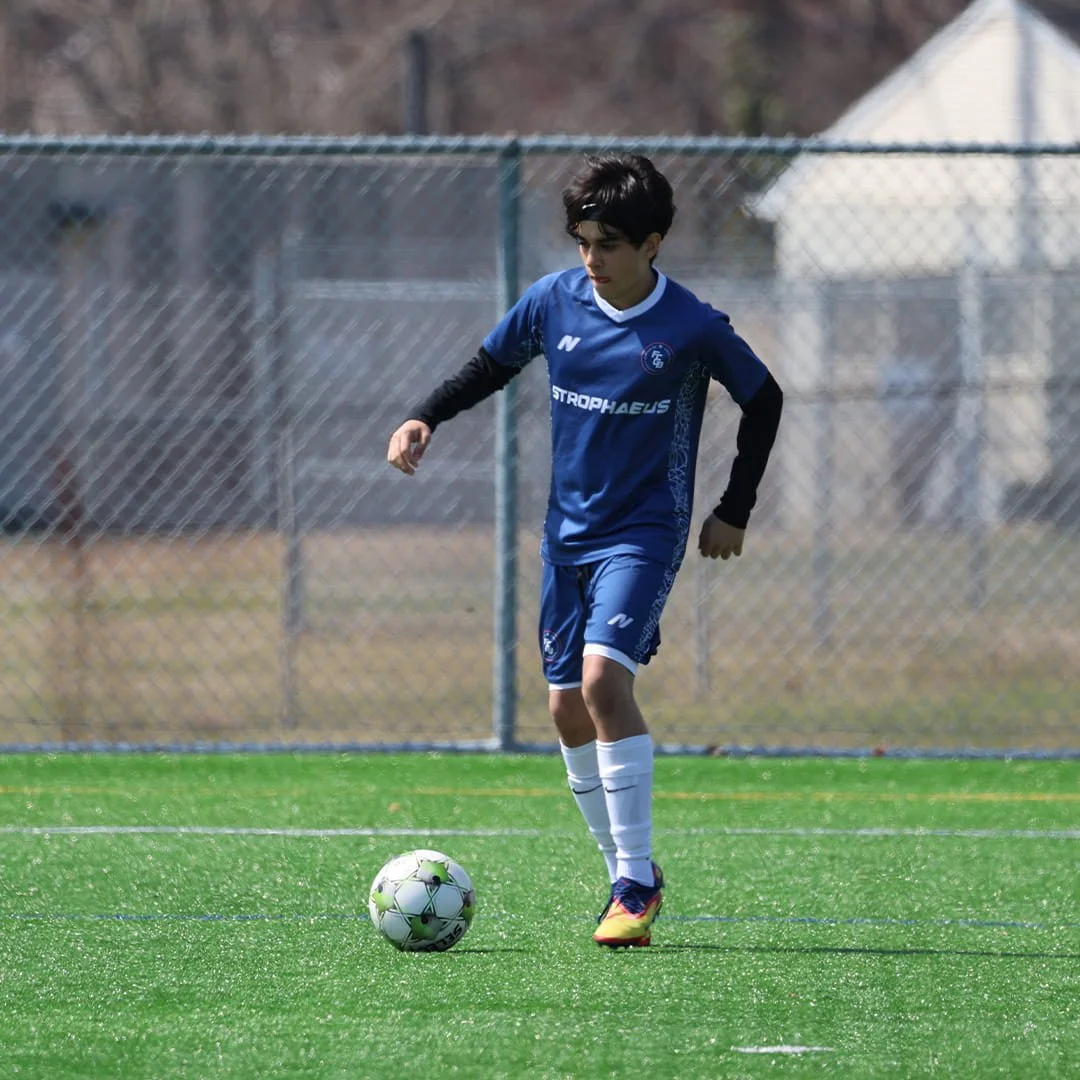
Our Possession-Based Soccer Style
We teach players to understand the game, value the ball, and work together with purpose.
Which Soccer Style Is Best for a Player’s Development?
The answer to that question is:
Oriented Style.
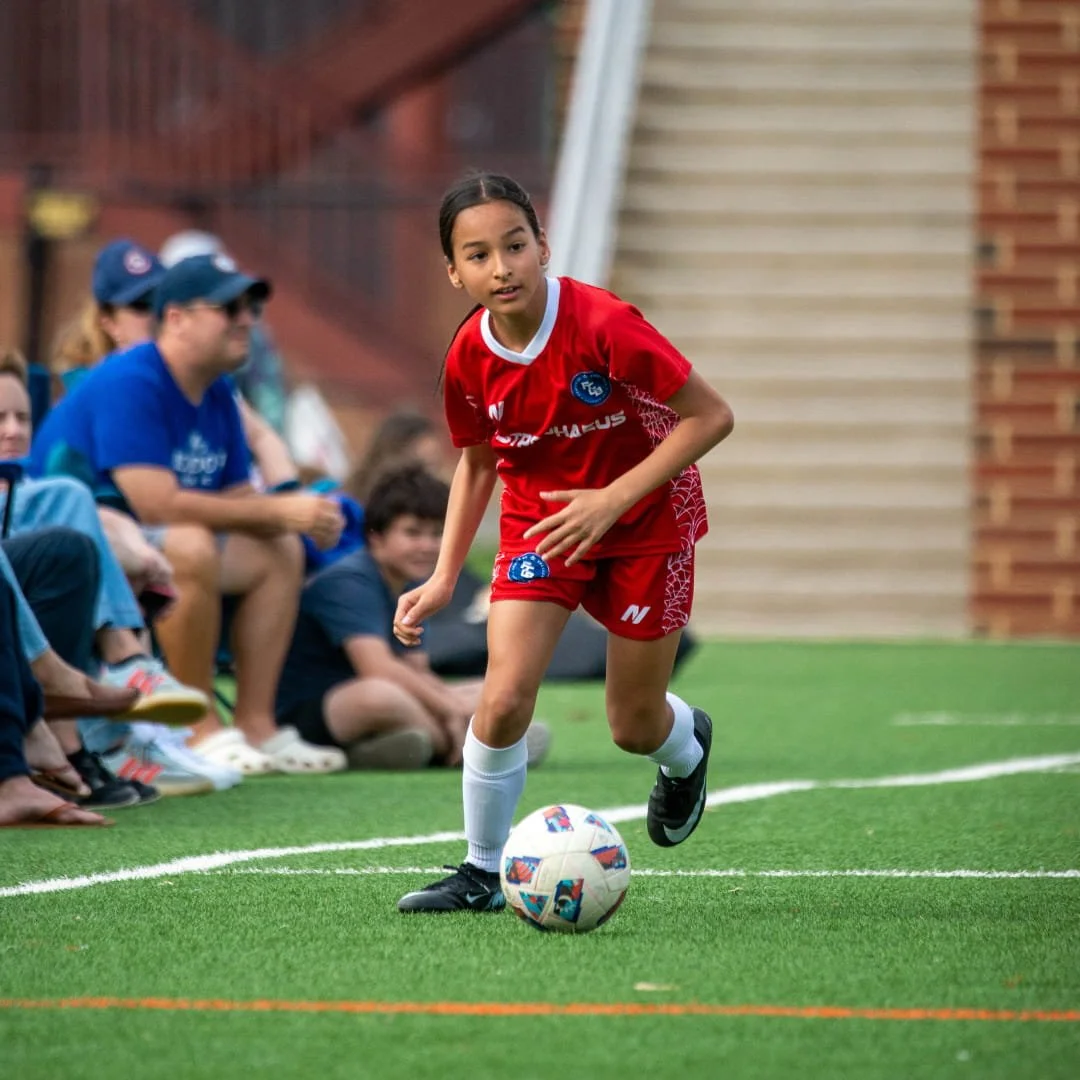
Why Possession Soccer Helps Player Development
In terms of technique, players need frequent contact with the ball.
In a possession-oriented style, players pass, receive, dribble, and engage in 1v1 situations often. The more players experience these technical situations, the more repetitions they get, leading to better development.
Players also need to make decisions in different situations. This helps them build confidence, improve awareness, and understand the game at a deeper level.
Technical Development Through Ball Contact
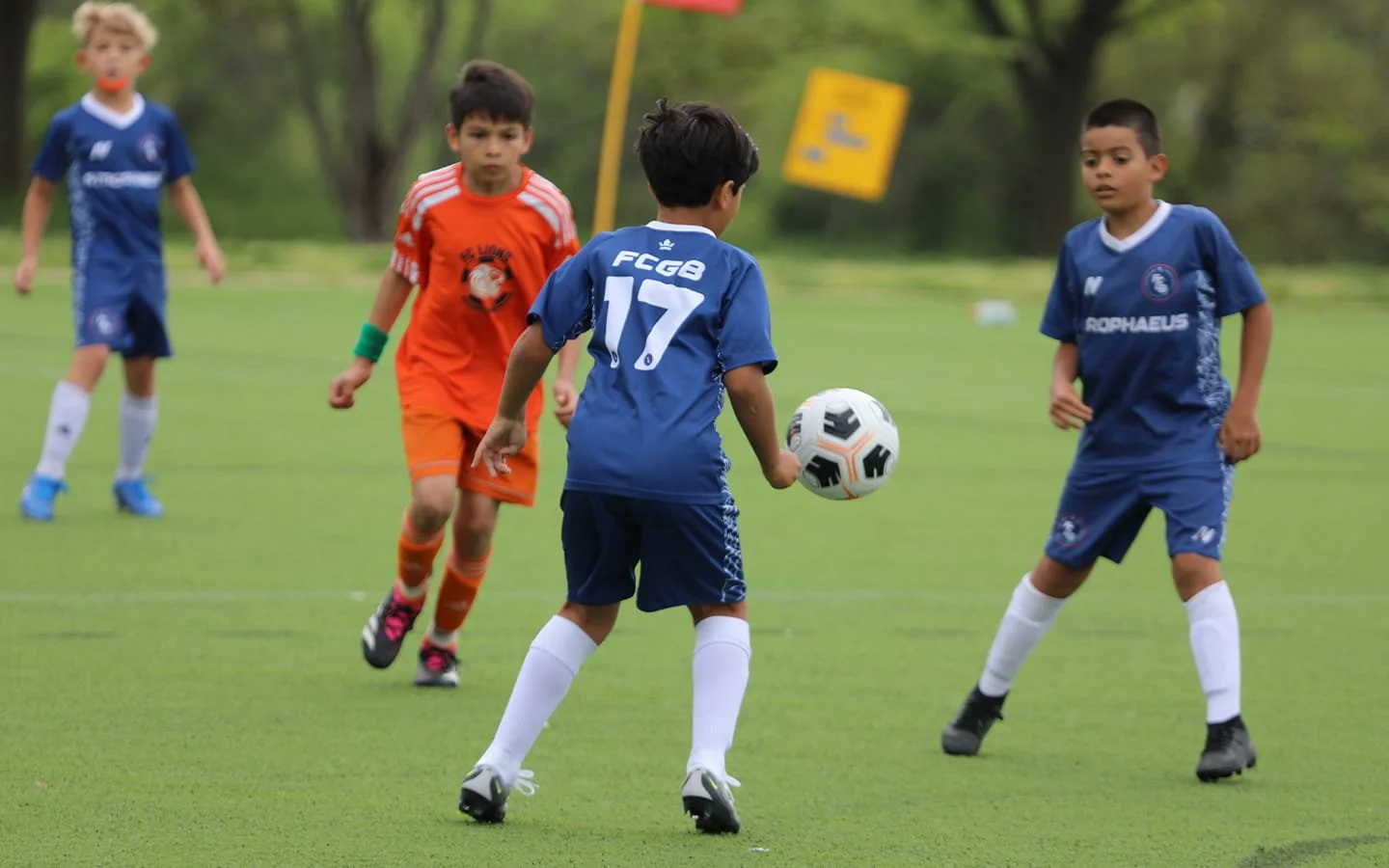
If children play with a non-possession-oriented style from a young age, their soccer skills with the ball will be neglected to some extent, depending on the style.
This is because all other styles involve less contact with the ball than a possession-oriented style.
The Experience Players Gain With the Ball
Match experience is priceless when it is connected to learning, correction, and repetition.
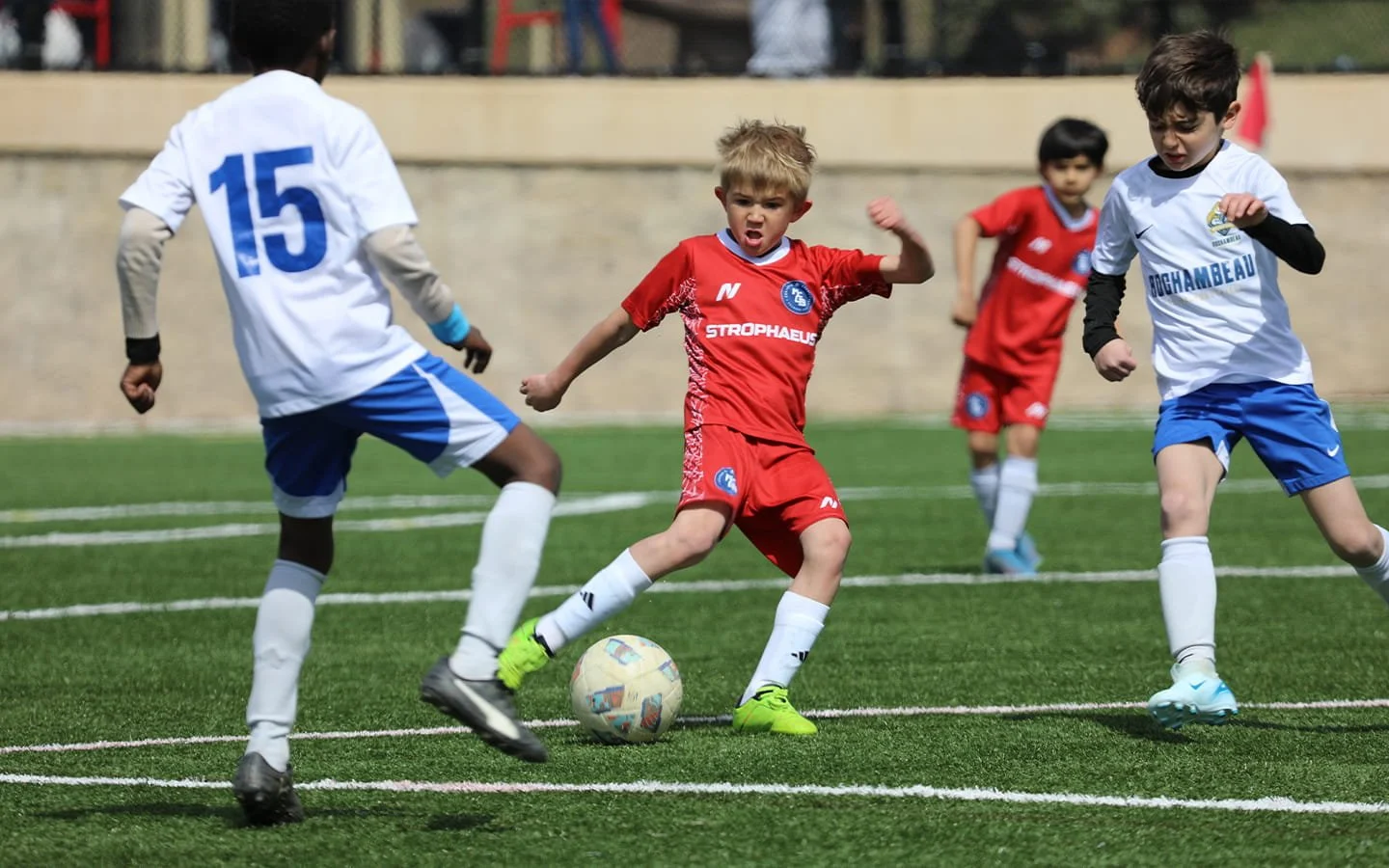
The experience players gain in matches is priceless, which is why we encourage them to pass, dribble, and test their skills as much as possible.
This experience, combined with learning during training sessions where the coach corrects mistakes, is key to the successful development of a young player.

Results vs. Long-Term Player Development
So why doesn’t everyone adopt a possession-based style when it clearly provides the greatest stimulus for soccer skills, player perception, and decision-making?
The answer is simple: it is more challenging to achieve success in younger age groups with this style.
In our club, results are not the primary goal. The development of the child as a soccer player is. This is the approach our coaches take with their teams.
What Players Develop Through Possession Soccer
A possession-oriented style teaches players how to solve the game, not just survive it.
Players need to be in good positions on the field.
Players need to be ready to receive the ball.
Players need to adjust their bodies before receiving the ball.
Players need to pass the ball correctly.
Players need to think and find the open player.
Players need to be able to dribble the ball.
Problem Solving in Youth Soccer
The game gives players problems. Development happens when they learn how to solve them.
The problem arises when there is no effort to solve challenges during the game. Constantly pushing or kicking the ball away is simply avoiding problems.
The same applies to life: when we avoid problems, they usually do not solve themselves. If we do not work on something we want to improve, we will not get better.
It is the same on the soccer field. If issues on the field are not addressed, there will be no development in that aspect.
The Path Forward for Young Soccer Players
There are parents and coaches who favor certain styles of play, but when it comes to the development of children in younger age groups, these preferences should be set aside in the best interest of the child’s development.
So, if you see that your child is playing in a possession-oriented style, know that they are developing. Do not encourage them to make decisions that contradict the team’s style of play.